
🌟 Beginning Your Journey in Goldwork Embroidery: A Beginner’s Guide to Timeless Craftsmanship
Goldwork embroidery is one of the most luxurious and historic forms of needlework — a shimmering art that has adorned royal garments, military regalia, and religious textiles for centuries. If you’re captivated by the beauty of metallic threads and want to add a touch of opulence to your stitching, now is the perfect time to start your goldwork embroidery journey.
What Is Goldwork Embroidery?
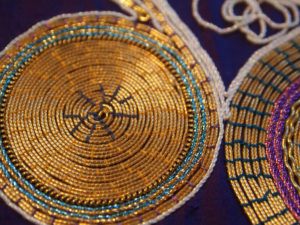
Goldwork embroidery is a specialist form of hand embroidery that uses real metal threads or metallic-coated threads to create rich, raised designs. Traditionally, these threads were made from real gold or silver, wrapped around silk or paper cores. Today, modern versions use affordable materials that still give the same radiant effect.
Why Start Goldwork Embroidery?
Goldwork embroidery isn’t just about sparkle — it’s about precision, patience, and artistry. It allows you to:
-
Explore traditional craftsmanship while developing fine motor skills.
-
Create heirloom-quality pieces that can last generations.
-
Add luxury details to clothing, accessories, or home décor.
-
Join a passionate global community of textile artists and embroiderers.
Essential Tools and Materials
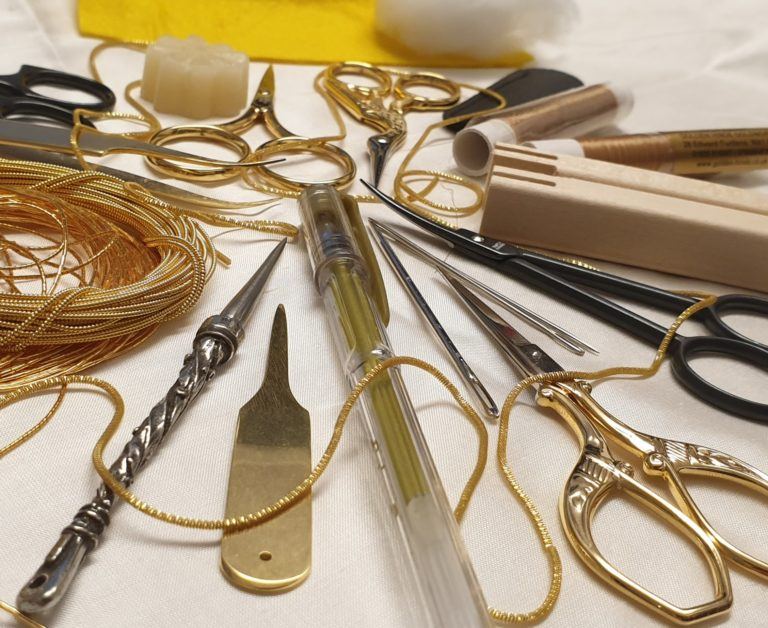
Before you begin, gather the right tools for a smooth start:
-
Goldwork threads and wires such as passing, purl, check, and twist.
-
Goldwork Embroidery needles couching, wire, leather, plunging and passing needles.
-
Silk Dupion, with a poly cotton or calico fabric as your backing.
-
Embroidery frame for tension control, we like bar frames or slate frames.
-
Scissors and tweezers for fine detail work.
-
Beeswax to condition and strengthen your threads.
Learning Basic Techniques
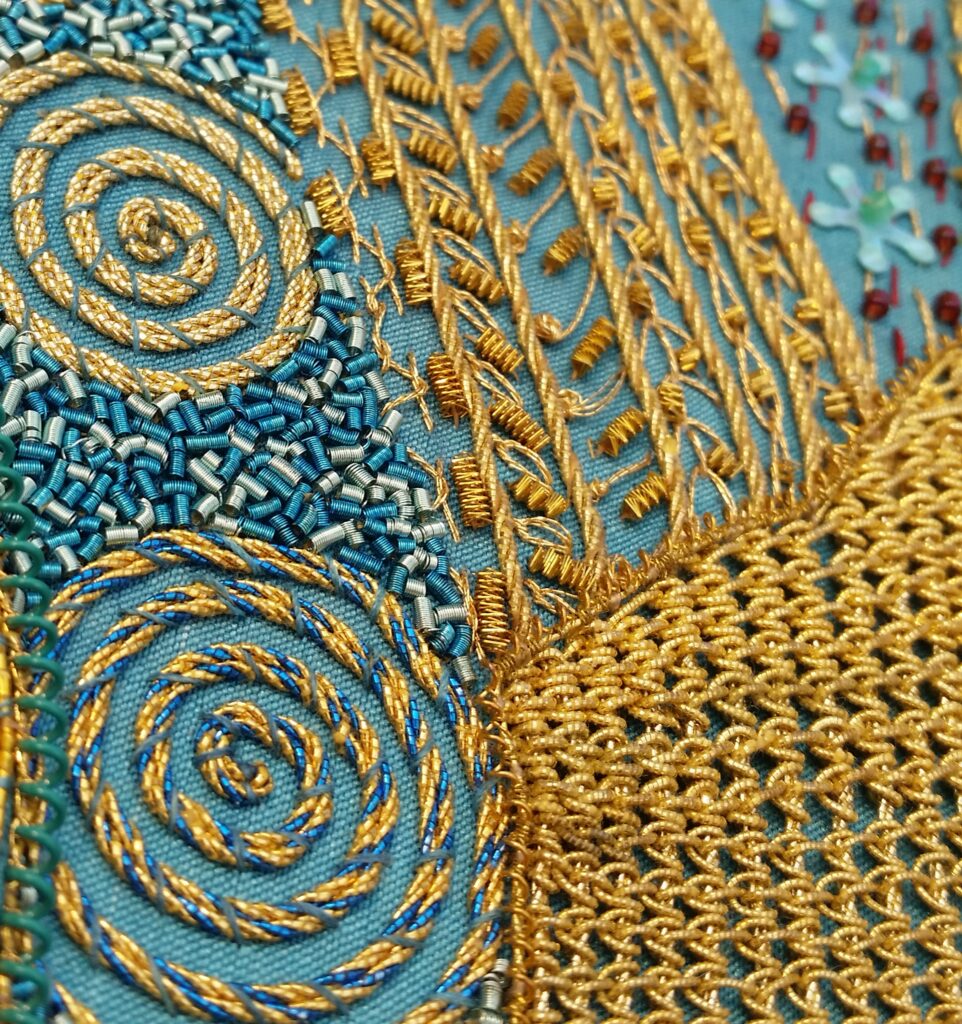
Goldwork embroidery involves a range of specialist stitches and methods. Beginners can start with:
-
Couching – Laying metallic threads on the fabric surface and securing them with tiny stitches.
-
Chipping – Cutting metal threads into small “chips” to create a beaded, textured effect.
-
Padding – Using felt or string to raise areas of your design for a 3D look.
As you progress, you’ll master more advanced techniques and combine them to achieve stunning dimensional effects, such as the picture to the left shows.
Tips for Beginners
-
Start small — a simple motif helps you build confidence.
-
Work slowly and carefully — gold threads can be delicate.
-
Use good lighting — metallic threads reflect light differently, so clarity is key.
-
Take breaks — patience is part of the process!
-
Keep your workspace clean — dust or oils can tarnish metal threads.
Finding Inspiration and Learning Resources
Look for inspiration in:
-
Historic embroidery collections museums often feature goldwork pieces. Churches, Cathedrals, and other places of worship are great places to see Goldwork as well as Historic houses.
-
Online goldwork embroidery classes our Embroidery Academy shares courses for Goldwork and multi-media projects for a monthly subscription join now
-
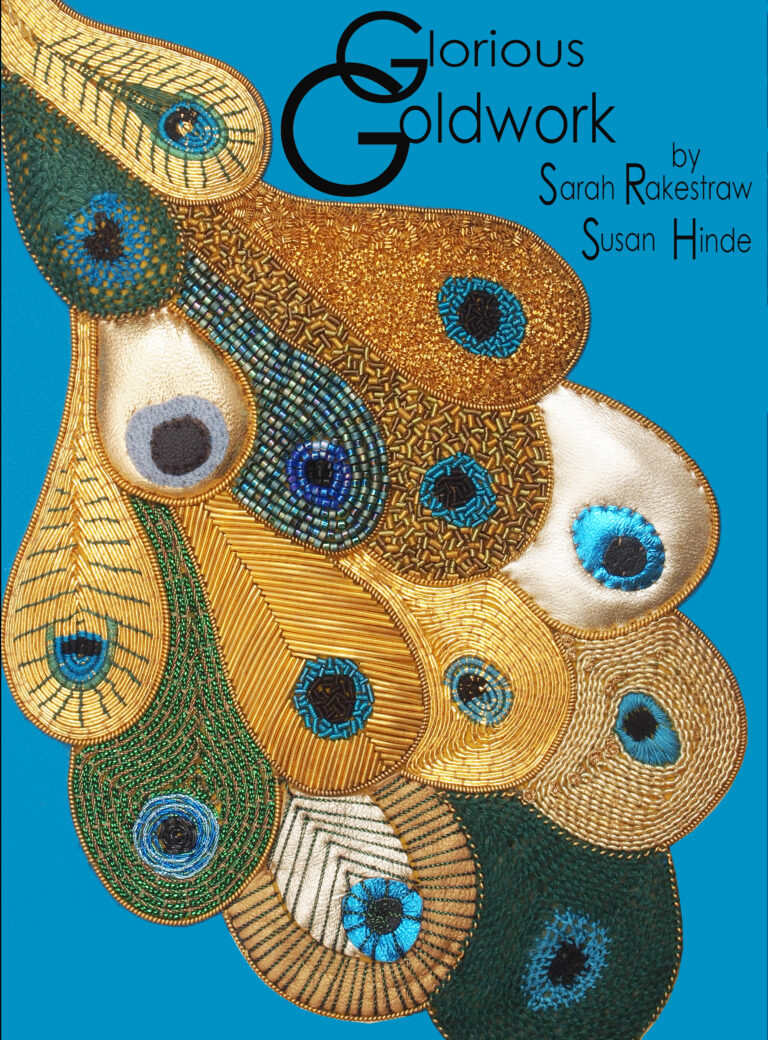
Books and patterns dedicated to traditional and modern goldwork techniques. A great book to start with is Glorious Goldwork written by our very own Sarah Rakestraw
Engage with embroidery communities, Golden Hinde are on Instagram, Pinterest, and Facebook where you can share your progress and learn from others.
Final Thoughts
Starting your goldwork embroidery journey is more than just learning a craft — it’s about connecting with a centuries-old tradition of beauty and skill. With the right tools, patience, and curiosity, you can transform shimmering threads into timeless works of art.